Transform Your Gut Health: A Comprehensive Guide to Nutritional Therapy for IBS
Have you ever found yourself staring at a plate of food, wondering if what you’re about to eat could set off a storm in your digestive system? If you’ve ever dealt with the discomfort of irritable bowel syndrome (IBS), you’re not alone. Millions struggle with this chronic condition, and it can often feel overwhelming. The key to finding relief may lie in your plate—specifically, a well-crafted irritable bowel syndrome diet. By embracing a strategic approach to IBS nutrition, you can revitalize your digestion and regain control over your well-being.
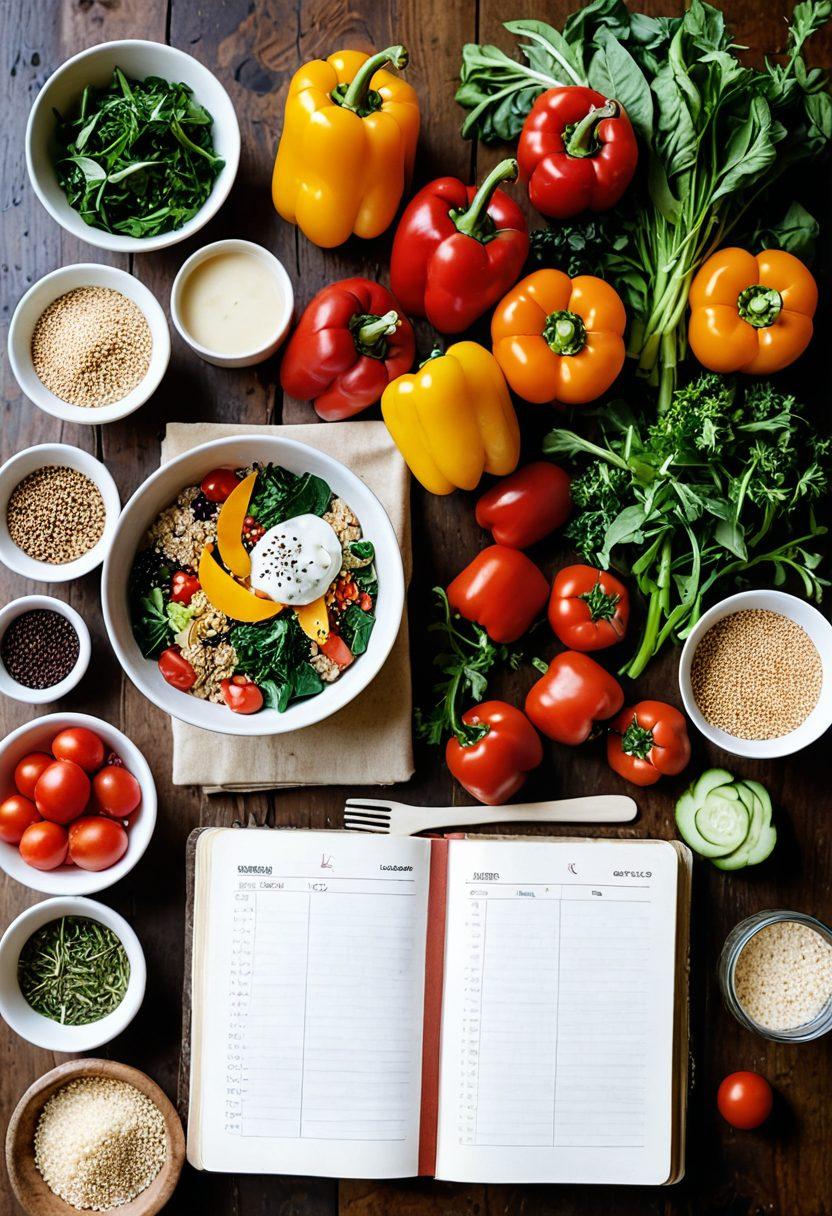
Imagine this: You've taken a beautiful hike, surrounded by nature, feeling alive and energetic. You didn’t worry about the next meal because your body felt light and comfortable. This is the life you can achieve with the right dietary guidelines for IBS! The journey starts with understanding your own body’s unique reactions to various foods. Are you aware of your food intolerances? Keeping a food diary can help you identify which trigger foods set you on a rollercoaster ride of discomfort. Discovering these foods is an adventure towards your personalized nutrition plan, ensuring you feel fabulous after every meal.
As you delve into the world of healthy eating for digestive issues, it becomes clear that meal planning for IBS can make all the difference. It isn’t just about what you eat; it’s about how you eat. Learning to incorporate fiber-rich foods into your meals can promote healthy digestion. However, beware! This isn’t a one-size-fits-all approach. It may take some time to figure out which fibers work best for your system. While some individuals thrive on whole grains, others might find solace in low FODMAP diet-friendly options like quinoa or jasmine rice. Don't you want to know what makes your gut happy?
Let’s not forget the magic of probiotics in this conversation. They are little warriors for your gut health, combating bad bacteria and fostering a balanced microbiome. Including probiotic-rich foods like yogurt, kefir, and fermented veggies in your diet can make a significant difference in your digestive wellness. Pairing this with a holistic health approach, incorporating stress management strategies into your routine, can further enhance your symptom management. After all, have you ever noticed how your emotions influence your digestion? It’s all connected!
As you step into the world of balanced diet strategies, remember that this is not just about avoiding foods that upset your stomach. It’s about embracing a lifestyle that promotes healthy digestion and overall well-being. Start experimenting with new recipes, explore different cuisines, and enjoy the journey of discovering foods that serve you well. By personalizing your nutritional lifestyle, you empower yourself to take charge of your IBS. So, what’s your next meal going to be? Choose wisely and let your food be your medicine!
Nourishing Your Gut: The Ultimate Guide to IBS-Friendly Foods and Meal Planning
When it comes to managing irritable bowel syndrome, the key lies not only in understanding your symptoms but also in embracing a holistic approach to your gut health. Have you ever considered how your diet could be a game-changer in your IBS journey? With the right focus on IBS nutrition, you can transform your eating habits into a powerful tool for symptom management. This post delves into the ultimate guide to IBS-friendly foods and meal planning, offering you insight into creating a balanced diet that promotes your digestive wellness and overall well-being.
Navigating the realm of dietary guidelines for IBS can feel overwhelming at times. The good news is, you’re not alone in this journey. Many individuals struggle with managing food intolerances while seeking relief from their digestive issues. But what if we told you that a tailored approach to nutrition could help ease your discomfort? Welcome to the world of nutritional therapy, where understanding fiber-rich foods and probiotics can lead to healthy digestion and a better quality of life. So, grab a notebook and pen; let's explore how you can nourish your gut effectively.
Meal planning for IBS doesn’t have to be daunting; in fact, it can be quite enjoyable! Imagine creating delicious, gut-friendly meals that not only satisfy your taste buds but also offer nutritional balance. Start by considering the low FODMAP diet — a revolutionary approach that helps identify food triggers while promoting healthy eating for digestive issues. Have you heard the saying, 'You are what you eat'? Now, more than ever, its truth resonates. By consciously choosing your meals, you're not just feeding your body; you're nurturing your gut health.
So, what does a typical day of IBS-friendly eating look like? Picture this: a morning smoothie bursting with probiotics, a wholesome lunch rich in fiber with leafy greens, and a dinner featuring lean proteins and veggies cooked to perfection. Each of these meals is a step toward personalized nutrition that aligns with your body’s specific needs. It turns out that building a nutritional lifestyle tailored to your digestive tract can be incredibly satisfying, as it brings newfound energy and vitality to your daily routine.
Ultimately, the journey to gut health hinges on understanding your personal relationship with food. It calls for experimenting with various ingredients and listening to your body’s cues. By incorporating effective wellness strategies, such as mindful eating and gradual exposure to new foods, you may just uncover what works best for you. Remember, nourishing your gut is not just about avoiding trigger foods; it’s about embracing a positive, proactive attitude towards your health. Imagine thriving rather than merely surviving – the power to transform is within your reach!
Embrace Holistic Wellness: Transformative Dietary Guidelines for Optimal Gut Health
In a world that seems to thrive on fast food and instant gratification, the importance of gut health can often feel overlooked. Yet, our gut is the epicenter of our overall well-being. It’s where our body processes food, absorbs nutrients, and yes, even influences our mood. So, how can we transform our gut health? The answer lies in embracing holistic wellness through transformative dietary guidelines. Imagine waking up every day feeling energetic and free from discomfort, all because of the choices you make about food. Are you ready to take that journey?
Let's first talk about the significance of the irritability bowel syndrome diet (IBS diet). For those grappling with digestive issues, following an IBS nutrition plan isn’t just a recommendation; it’s a lifeline. Imagine swapping out foods that bloat your belly and cause discomfort for fiber-rich foods like whole grains, fruits, and vegetables. These powerful allies in your meal planning for IBS can support healthy digestion and a happy gut. And don't forget the benefits of probiotics. Think of them as your gut’s best friends, helping to maintain a balanced gut flora critical for digestive wellness. What are the top three probiotic-rich foods you enjoy?
When considering dietary guidelines for IBS, an important strategy is adopting a low FODMAP diet. So, what exactly does this mean? FODMAP stands for fermentable oligosaccharides, disaccharides, monosaccharides, and polyols – a series of complex carbohydrates that can wreak havoc on sensitive digestive systems. By learning which foods to enjoy and which to avoid, you can personalize nutrition that aligns with both your body and your well-being. For example, swapping out high FODMAP foods like onions for a burst of flavor using herbs can be a game-changer. When was the last time you got creative in the kitchen?
But embracing holistic health is more than just meal planning for IBS; it’s about balancing all aspects of life for optimal gut health. This means addressing food intolerances, stress management, and ensuring a balanced diet. Are you inflating your IBS symptoms with stress? Alternatively, integrating mindfulness practices, sufficient hydration, and regular physical activity can form an essential part of your wellness strategies. Picture you, practicing yoga with a serene mindset, nurturing your body inside and out – doesn’t that sound rejuvenating?
Lastly, remember that symptom management is a journey, not a sprint. Finding the right dietary adjustments can take time, but with patience and a willingness to explore new foods, you can find what truly nurtures your gut. Consider setting small, achievable goals for yourself, such as trying one new fiber-rich food each week, or incorporating fermented foods into your meals. It’s all about creating a nutritional lifestyle that fits YOU. Together, let’s take the steps toward embracing your digestive wellness and embracing a healthier, happier future!